
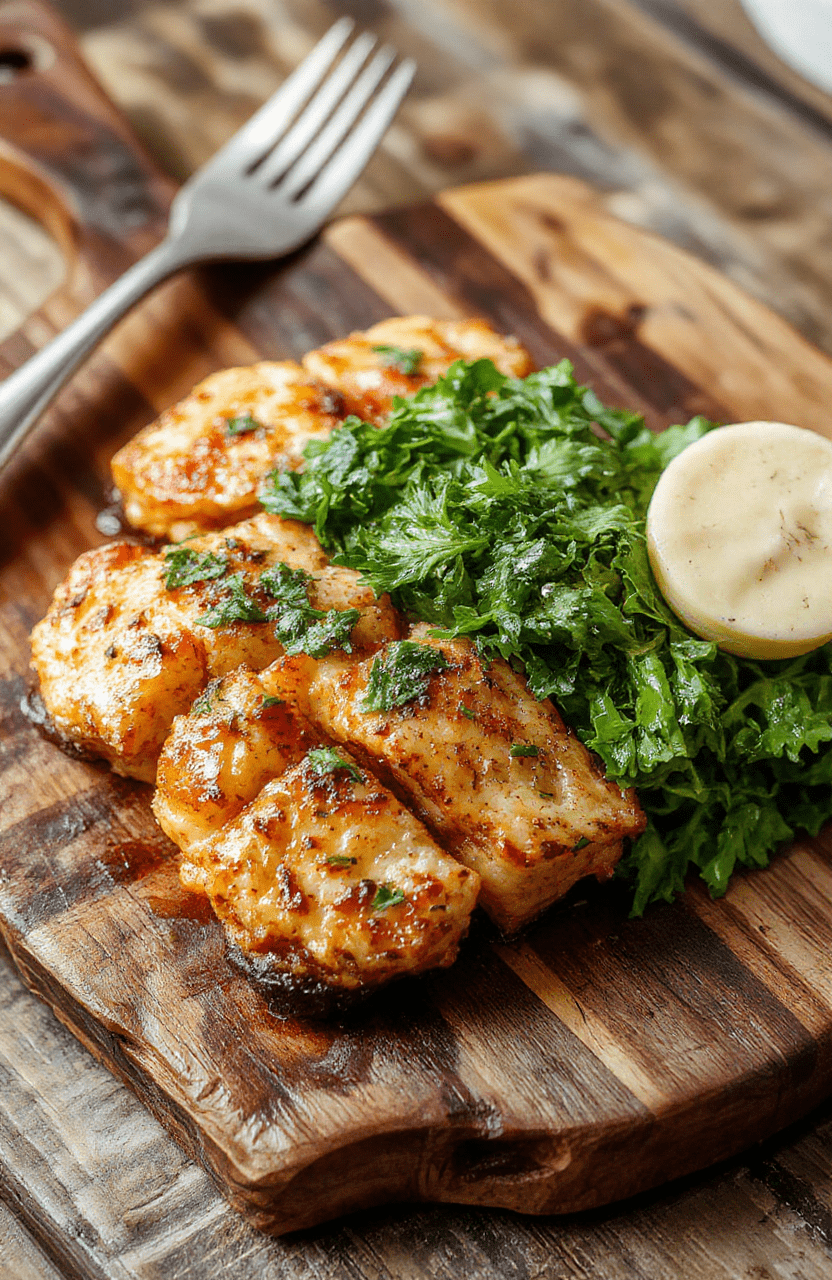
🌿 Crispy Sheet-Pan Lemon Garlic Salmon with Quinoa & Roasted Asparagus: Your Perfect High-Protein Low-Calorie Dinner
1. Introduction
This high-protein low-calorie dinner is the kind of meal that makes healthy eating feel like a celebration—not a compromise. Tender salmon fillets glisten with a bright lemon-garlic glaze, roasted asparagus snaps with each bite, and perfectly fluffy quinoa soaks up all the savory juices. At just 380 calories per serving and packed with 35g of clean protein, this dish fuels your body without derailing your goals. I’ve made this for weeknights, post-workout dinners, and even a few “treat-yoursself-but-stay-fit” Sundays—and it never fails to satisfy. Bonus? One sheet pan, 25 minutes, and zero cleanup drama.
2. Why You’ll Love This Recipe
- ✅ Ready in 25 minutes—faster than ordering takeout and twice as satisfying.
- ✅ One-pan wonder: Minimal dishes, maximum flavor integration.
- ✅ Meal-prep friendly: Stays fresh in the fridge for 3 days and reheats beautifully.
- ✅ Dietitian-approved nutrition: High in omega-3s, fiber, and plant-based protein.
- ✅ Kid & adult-approved: My picky 7-year-old asks for “the salmon night” every week.
3. Ingredient Notes
When it comes to a protein-rich healthy dinner, quality makes all the difference—not just in taste but in nutrients.
Avoid frozen salmon fillets with added phosphate solutions (they absorb water and release it when cooked, resulting in rubbery fish). Instead, opt for fresh, wild-caught Alaskan salmon. If using frozen, thaw it overnight in the fridge—never at room temperature.
Quinoa isn’t just a carb source—it’s a complete protein (all nine essential amino acids). Rinse it well to remove saponins, which can taste bitter. For extra depth, toast the dry quinoa in the pan for 2 minutes before adding liquid.
Asparagus should be firm and crisp, with tightly closed tips. Thicker spears handle roasting better than pencil-thin ones and won’t turn to mush.
Extra-virgin olive oil adds heart-healthy monounsaturated fats and enhances absorption of fat-soluble vitamins (like those in asparagus). Use a good-quality brands like California Olive Ranch or California Gold.
And don’t skip the lemon zest! It packs intense aroma without extra calories—grated right into the glaze, it elevates the entire dish.
4. Kitchen Tools You Need
Having the right tools transforms cooking from stressful to celebratory. Here’s what I rely on for this recipe—and why:
For fast, even roasting and to prevent sticking, I use a T-fal 14-Piece Hard Anodized Nonstick Cookware Set. Its warp-resistant, scratch-resistant surface makes sheet pan cleanup effortless—even when I forget to line it (guilty 😉).
Need to air-fry leftover salmon for extra crispiness? The Ninja Air Fryer Pro Crisp & Roast 4-in-1 reheats it in 3 minutes without drying it out—no more “dry鱼” syndrome.
For precise seasoning and minimizing waste, my Fullstar Ultimate Veggie Prep Master quickly trims asparagus to the ideal 6-inch length and peels garlic in seconds (just crush, shake, peel).
Want perfectly cooked quinoa—every time? The Cuisinart Compact Automatic Bread Maker has a “Grains & Grals” setting that steams quinoa like a pro, yielding fluffy, separate grains (no mush!).
And for meal-prepping? JoyJolt Airtight Glass Food Storage Set keeps meals fresh and leak-proof for up to 4 days. The clear lids let me see what’s inside—no more guessing games!
5. How to Make [Recipe Name]
Phase 1: Prep & Prep (5 minutes)
Preheat oven to 425°F (220°C). Line a large rimmed baking sheet with parchment paper (for easy cleanup and even cooking).
Rinse ½ cup quinoa under cold water. Meanwhile, pat salmon fillets dry with paper towels—this is critical for achieving golden-brown edges instead of steamed fish.
Trim asparagus by snapping off the woody ends or slicing 1–2 inches from the bottom. Keep spears uniform for even roasting.
Phase 2: Make the Lemon-Garlic Glaze (2 minutes)
In a small bowl, whisk together:
- 2 tbsp extra-virgin olive oil
- 1 tbsp freshly squeezed lemon juice (about ½柠檬)
- 1 tsp lemon zest (grated with a Microplane)
- 2 cloves minced garlic
- ½ tsp kosher salt
- ¼ tsp black pepper
- ½ tsp dried oregano (optional, but adds depth)
Pro Tip: Let the garlic sit in the oil for 2 minutes before adding acid. This mellows its sharpness and prevents bitterness during roasting.
Phase 3: Assemble & Roast (15 minutes)
Arrange quinoa and asparagus on the baking sheet in a single layer. Drizzle with half the glaze and toss to coat. Push food to the edges to make space for the salmon in the center.
Place salmon fillets in the center. Brush generously with the remaining glaze.
Roast for 12–14 minutes, or until salmon flakes easily with a fork and internal temp reaches 125–130°F (for medium-rare, ideal for moisture). Asparagus tips should be caramelized and tender-crisp.
Visual cue: The salmon edges turn opaque, and the top is lightly golden. If the asparagus ends brown too quickly, loosely tent with foil after 10 minutes.
Phase 4: Finish & Serve
Remove from oven. Squeeze fresh lemon juice over top and sprinkle with chopped parsley or dill (optional, but bright and fresh).
Serve immediately—salmon rests while you plate. Pair with a crisp green salad or this honey-pepper chicken stir-fry for doubled protein power.
6. Expert Tips for Success
- Don’t overcrowd the pan: Leave 1 inch between pieces. Crowding causes steaming, not roasting.
- Use room-temperature salmon: Cold fish off the pan into the oven = uneven cooking. Let it sit 10 minutes before glazing.
- Undercook slightly: Salmon continues cooking off the sheet pan. Stop at 125°F for tender, juicy results.
- Acid balance: Add lemon juice *after* roasting if you prefer brighter notes. Heat dulls citrus flavor.
- Quinoa hack: Cook quinoa in vegetable broth instead of water for a savory base note.
7. Variations & Substitutions
- Vegetarian version: Swap salmon for 1 (14-oz) block extra-firm tofu—pressed, cubed, and roasted with the same glaze.
- Lower-carb: Replace quinoa with cauliflower rice (spread on sheet pan, roast 10 minutes before adding salmon).
- Seafood swap: Try Arctic char, cod, or scallops (reduce roasting time to 8–10 minutes).
- Mushroom lovers: Add sliced cremini mushrooms to the asparagus—they caramelize beautifully.
- Spicy kick: Add ¼ tsp red pepper flakes to the glaze or finish with harissa drizzle.
8. Storage & Reheating
Store components separately in JoyJolt airtight containers for best texture. Salmon can be refrigerated up to 3 days; quinoa and asparagus, up to 4.
Reheating instructions:
- Oven (best): 350°F for 12–15 minutes, covered with foil, until 130°F internal.
- Air fryer (crispy version): 360°F for 4–5 minutes—salmon edges crisp up beautifully.
- Avoid microwave: It turns salmon rubbery and makes asparagus soggy.
9. FAQ
Q: Can I use frozen salmon?
A: Yes—but thaw it slowly in the fridge overnight. Pat *very* dry before glazing. You may need +2–3 minutes roast time.
Q: Is this gluten-free?
A: Absolutely! Just ensure your broth (if using) and seasonings are certified GF. All core ingredients are naturally gluten-free.
Q: Can I meal prep this for the week?
A: Yes! Cook the quinoa and roast asparagus ahead. Store salmon separately and cook fresh daily for peak texture—or cook all at once and reheat in an air fryer (as noted above).
Q: My salmon turned out dry! What went wrong?
A: Likely overheated or overcrowded. Salmon is done at 125–130°F—not 145°F (old USDAguideline, now outdated for moisture). Use a T-fal digital thermometer (comes with many cookware sets) for precision.
10. Conclusion
This high-protein low-calorie dinner proves that nutritious doesn’t mean bland. With rich lemon-garlic notes, tender salmon, and crisp vegetables, it’s the kind of meal you’ll crave—not just eat out of obligation. Whether you’re fitness-focused, weight-conscious, or just love well-balanced food, this recipe delivers on flavor, texture, and satisfaction. And hey—if you try it, share your photo with #MealsMomHighProtein. I love seeing your twists!
For more satisfying, clean-eating dinners, explore our Dump-and-Go Smothered Pork Chops or warm up with Ultimate Moist Chocolate Banana Bread for a guilt-free treat later this week.
Print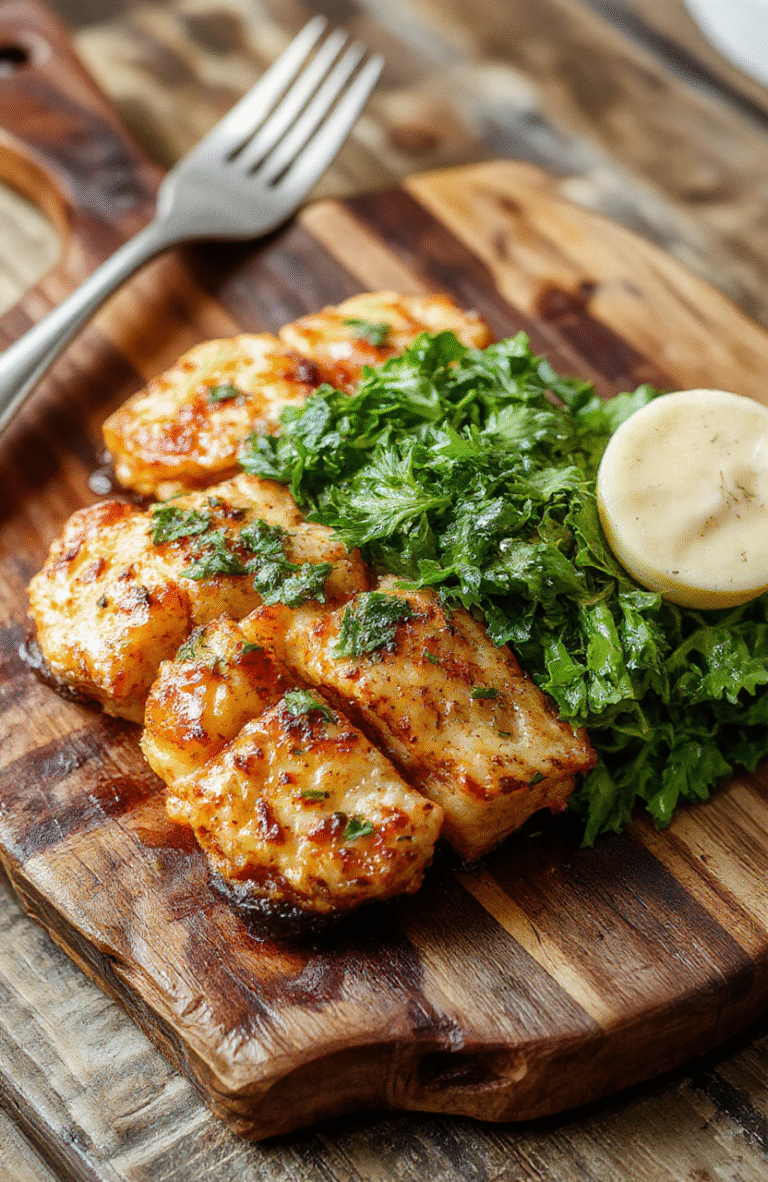
High-Protein Low-Calorie Dinner
A lean, nutrient-dense dinner ready in under 30 minutes.
- Total Time: 30 minutes
- Yield: 2 servings
Ingredients
- 1 boneless, skinless chicken breast (120g)
- 1/2 cupcooked quinoa
- 1 cup cherry tomatoes, halved
- 1 cup broccoli florets
- 1 tsp olive oil
- 1/2 lemon, juiced and zested
- 1/2 tsp garlic powder
- 1/2 tsp dried oregano
- Salt and pepper to taste
- Fresh parsley for garnish
Instructions
- Preheat oven to 400°F (200°C).
- Toss cherry tomatoes with 1/2 tsp olive oil, salt, and pepper. Roast for 15 minutes.
- Season chicken breast with garlic powder, oregano, salt, and pepper. Grill or pan-sear over medium heat for 5–6 minutes per side until internal temp reaches 165°F (74°C).
- Steam broccoli florets for 4–5 minutes until tender-crisp.
- Divide quinoa onto plates, top with sliced chicken, roasted tomatoes, and steamed broccoli.
- Drizzle with lemon juice and zest, garnish with parsley, and serve.
Notes
- For vegan option, swap chicken for 1/2 cup cooked lentils or 4 oz firm tofu.
- Use cauliflower rice instead of quinoa to reduce carbs further.
- Prep Time: 10 minutes
- Cook Time: 20 minutes
- Method: Grill, roast, steam
- Cuisine: American
- Diet: High-protein, low-calorie, gluten-free
Nutrition
- Serving Size: 1 serving
- Calories: 310 Kcal
- Sugar: 5 g
- Sodium: 320 mg
- Fat: 7 g
- Saturated Fat: 1.5 g
- Unsaturated Fat: 4.5 g
- Trans Fat: 0 g
- Carbohydrates: 28 g
- Fiber: 6 g
- Protein: 34 g
- Cholesterol: 65 mg