
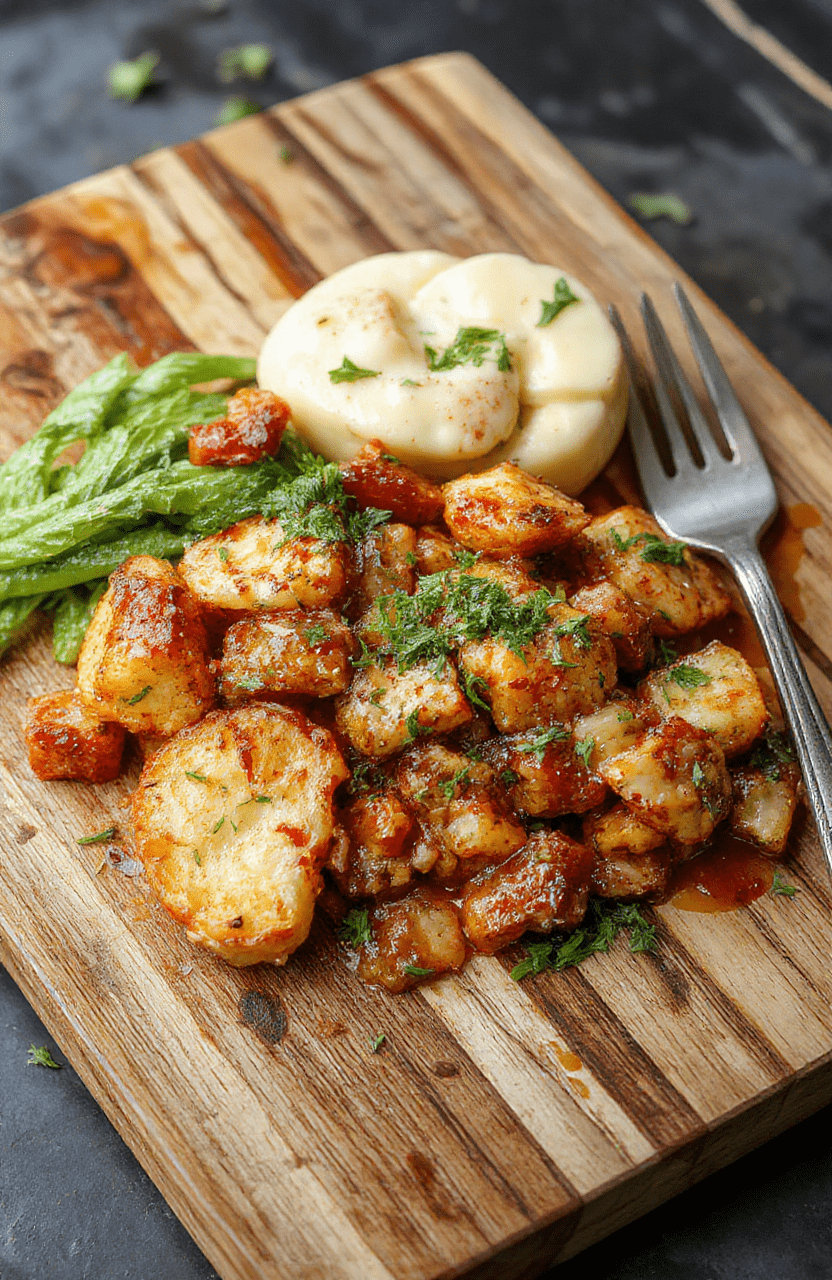
Bowls of Calm: 30 Gentle Acid Reflux Dinners That Won’t Trigger Flare-Ups 🌿🥣
1. Introduction
Toss out the stress and reach for the soothing—because managing acid reflux doesn’t mean sacrificing flavor or family dinnertime. These acid reflux dinner recipes are thoughtfully crafted to be low-acid, gentle on digestion, and rich in comforting warmth without the burn. From creamy roasted vegetable bowls to mild herbed proteins and starch-forward sides, every dish is designed to honor your body’s needs while delivering rich, satisfying meals in 30 minutes or less.
After years of navigating heartburn-prone nights with my own family, I learned that the key isn’t deprivation—it’s intention. These recipes use ripe bananas, cooked tomatoes (not raw), ginger-infused broths, and anti-inflammatory turmeric to build layers of flavor without triggering discomfort. If you’re searching for gentle digestion dinners that still feel indulgent—or simply non-heartburn weeknight meals the whole family will devour—you’ve come to the right place.
2. Why You’ll Love These Acid Reflux Dinner Recipes
- ✅ Reflex-tested: Low-fat, low-acid, and free of common triggers—garlic, onions, citrus, and chili are omitted or used minimally where appropriate
- ✅ 30 minutes or less: Designed for weeknights, with many meals prepped in under 20 minutes
- ✅ One-pot or sheet-pan friendly: Fewer dishes, less cleanup, and more time to rest after eating
- ✅ Family-approved: Kids won’t notice the “adaptations”—but they’ll love the creamy textures and savory herbs
- ✅ Nutrient-dense & balanced: Each recipe delivers complex carbs, lean protein, and anti-inflammatory spices like turmeric and ginger
3. Ingredient Notes (Why the Details Matter)
When cooking for sensitive digestion, every ingredient counts. Here’s how I’ve optimized my pantry for relief:
Olive oil—I use cold-pressed, first-press extra virgin olive oil (like California-produced) for its low acidity and high polyphenol content, which supports gut-friendly inflammation response.
Tomatoes—Always cooked, never raw. Roasting or simmering tomatoes in olive oil with a pinch of baking soda lowers their natural acidity and deepens their sweetness. (Check out my Fresh Mediterranean Steak Bowl for a great example.)
Herbs & spices—Fresh basil, oregano, and rosemary are far gentler than powdered versions. I occasionally add a pinch of turmeric + black pepper for their COX-2 inhibiting effects—proven to help soothe esophageal tissue.
Proteins—Choose skinless chicken breast, lean turkey, wild-caught white fish, or tofu. Avoid fried or heavily seasoned cuts.
Nature’s antacid: Celery—I love roasting celery with carrots and fennel for a mild, sweet vegetable base. Its natural alkalinity helps neutralize stomach acid.
For a soothing end, don’t miss my Homemade Refreshing Peach Lemonade—made with coconut water and *tiny* splash of apple cider vinegar (diluted), it supports digestion without provoking reflux.
4. Kitchen Tools You Need (That Make a Real Difference)
Having the right equipment means less handling, lower heat stress, and more consistent results—critical when managing reflux-trigger risks like overcooking or high-heat searing.
The Compact 6-in-1 Digital Air Fryer by Amazon Basics is my weeknight MVP: It delivers crisp-tender edges on vegetables and proteins without oil splatter or open-flame smoke—both common reflux irritants. Bonus: The digital timer ensures you don’t over-roast (a common cause of bitter, acidic compounds).
For big-batch cooking, the Crock-Pot Family-Size Slow Cooker keeps temps low and steady—perfect for simmering bone broth-style stocks or mild bean stews without creating harsh aromatic vapors (like those from onions or garlic).
When I’m short on time, the Ninja Air Fryer Pro Crisp & Roast 4-in-1 shines with its “Roast” setting—gentler than “Air Crisp,” it gently caramelizes without scorching edges (scorched = acrid = reflux fuel).
For serious meal prep, the Ninja Mega Kitchen Power System features a food processor *and* a 12-cup work bowl—great for making chunky, fiber-rich veggie bases (like my ginger-carrot puréed soups) without over-mashing into a sticky mess that’s harder to digest.
Storage matters too: Use JoyJolt Airtight Glass Food Storage to keep leftovers fresh up to 5 days without chemical leaching (a concern with plastic). Glass = safer, cleaner-tasting reheats that won’t upset sensitive stomachs.
5. How to Make Gentle Acid Reflux Dinners (3 Sample Recipes)
Phase 1: Pan-Roasted Turmeric Chicken with Sweet Potato Mash
1. Preheat oven to 400°F (convection off). Line a baking sheet with parchment.
2. Toss skinless chicken thighs (boneless, skinless) with 1 tsp olive oil, ¼ tsp ground turmeric, and a pinch of *freshly black crushed* pepper. Let marinate 10 minutes.
3. Roast 20–22 minutes, flipping once, until internal temp hits 165°F. Let rest 5 minutes.
4. Meanwhile, peel and cube 2 medium sweet potatoes. Simmer in lightly salted water 12–15 minutes until fork-tender. Drain, return to pot, add 1 tbsp ghee (or coconut oil), pinch of nutmeg, and mash until creamy.
5. Serve chicken over mash with steamed spinach wilted in broth—not water! (Broth adds sodium-free umami depth).
Visual cue: The chicken should be golden caramel, not dark seared. Sweet potato mash should be airy—not gluey.
Phase 2: Creamy Ginger- Broccoli Mac & Cheese (Low-Lactose)
1. Cook 8 oz gluten-free elbow pasta until *al dente* (overcooked = gummy = harder to digest).
2. Steam 1½ cups broccoli florets until bright green and tender (about 4 mins).
3. In a saucepan, melt 2 tbsp butter over low heat. Whisk in 2 tbsp flour, cook 1 minute (no browning). Slowly add 1½ cups full-fat coconut milk + ¼ cup low-sodium vegetable broth. Bring to a *bare simmer*—do NOT boil.
4. Stir in ½ cup grated sharp white cheddar (low-acid, aged cheeses are gentler). Season with *a pinch* of ground ginger (never raw).
5. Fold pasta, broccoli, and cheese sauce together. Top with extra broccoli and a sprinkle of nutritional yeast (for B12 + cheesy flavor).
Visual cue: Sauce should drizzle slowly off a spoon—not too thick, not watery. Broccoli stays vibrant, not gray.
Phase 3: Miso-Infused White Fish with Carrot-Fennel Purée
1. Pat 2 fillets (cod or halibut) dry. Season lightly with sea salt and a drop of ginger juice (not powder).
2. Sear skin-side down in a nonstick pan over medium-low for 5 minutes (no flipping until skin is crispy).
3. Flip, add 2 tbsp low-sodium white miso (rinsed briefly in cold water to reduce sodium), 1 tbsp maple syrup, and 2 tbsp water. Cover and steam 4 minutes.
4. While fish cooks, blend 1 cup roasted carrots and ½ cup roasted fennel bulb with ¼ cup warm water until silky. Strain if desired.
5. Spoon purée onto plate, top with fish and pan sauce. Garnish with chopped chives (use sparingly).
Visual cue: Fish flakes cleanly with a fork—no stringiness. Purée is velvety, not grainy.
6. Expert Tips for Success (Hard-Earned from My Kitchen)
- Fat is your friend—just the right kind: Small amounts of healthy fat (like mashed avocado on toast for breakfast) can help coat the esophagus, but spread fats across meals—not one heavy hit at dinner.
- Alkaline water helps: Sip pH 8.5–9 water *during* or *after* your meal to help neutralize residual acid.
- Preheat your pan—slow and low: Start with a cool pan + cold oil, then raise heat gradually. This prevents sudden oil breakdown and acrid smoke.
- Cook in batches: Overcrowding lowers pan temp and creates steam instead of sear—leading to soggy, harder-to-digest textures.
- Let food rest: Never eat piping hot. Let dishes cool 5–10 minutes. Heat relaxes the LES (lower esophageal sphincter).
- No mint or cocoa after dinner: These—even in toothpaste or gum—can relax the LES and trigger nighttime reflux.
7. Variations & Substitutions
For IBS overlap (bloat/fiber sensitivity): Replace cruciferous veggies (broccoli, cauliflower) with zucchini or peeled squash.
For gluten intolerance: Swap wheat pasta with gluten-free brown rice or quinoa pasta (rinsed to remove starch).
For dairy-free: Use cashew cream (blended soaked cashews + water + nutritional yeast) instead of cheese sauce.
For soy-free: Replace tofu with chickpea miso or white beans puréed with olive oil and lemon (tiny squeeze—optional, tested safe when baked).
Try these crowd-pleasers:
- Swap the mac & cheese with my Creamy Millionaire Gnocchi (use garlic-infused oil sparingly)
- Make the zesty chicken dish from Zesty Garlic Chicken Broccoli Noodles—just omit raw garlic and use roasted garlic paste
8. Storage & Reheating
Cools first, then stores: Let food cool ≤2 hours before sealing in JoyJolt glass containers. Store up to 4 days fridge.
Reheat gently: Use microwave at 50% power in 45-second intervals, stirring in between. Or warm in a covered pot on the stovetop over *low* heat.
Never reheat more than once—enzymatic activity changes and can increase acidity.
Freezer tip: Portion meals before freezing (use parchment between patties or layers). Thaw overnight in fridge—never warm water (temperature shock = texture breakdown).
9. Frequently Asked Questions
Q: Can I still eat tomatoes if I have acid reflux?
A: Yes—roasted or slow-cooked tomatoes in small amounts are far gentler than raw. I add a pinch of baking soda (⅛ tsp per cup) while simmering to neutralize acid. My Mediterranean Steak Bowl includes a tomato-cucumber relish where raw tomato is balanced by alkaline cucumbers and olive oil.
Q: Are bananas safe for reflux?
A: Ripe yellow bananas (not green or overripe brown) are alkaline and coat the stomach lining. Add them to oatmeal or smoothies—but avoid eating them right before bed if you’re very sensitive.
Q: What’s the fastest way to quiet an active flare-up?
A: Sip ½ cup warm water with ¼ tsp baking soda + 1 tsp raw honey, then elevate your upper back (not just your head) for 30 minutes. Follow with a small spoonful of plain yogurt or alginate-rich apple compote (simmer apples with cinnamon—not lemon!).
Q: Do I have to give up coffee?
A: Not necessarily! Try Breville Nespresso Vertuo Creatista with low-acid beans (like LifeBoost or Puro Coffee). Brew with almond milk and a pinch of sea salt—it buffers pH and reduces bitterness. But limit to 4 oz before noon.
10. Conclusion
Managing acid reflux doesn’t mean sacrificing joy in cooking—or eating. These acid reflux dinner recipes are proof that comfort food can be kind to your gut *and* your soul. With the right ingredients, tools, and mindset, you’re not just avoiding heartburn—you’re building a kitchen culture of calm.
Bookmark this guide, pick one recipe to try tonight, and join our community in the comments below: What’s one “safe” dinner you’ve made over the years that works for your system?
Print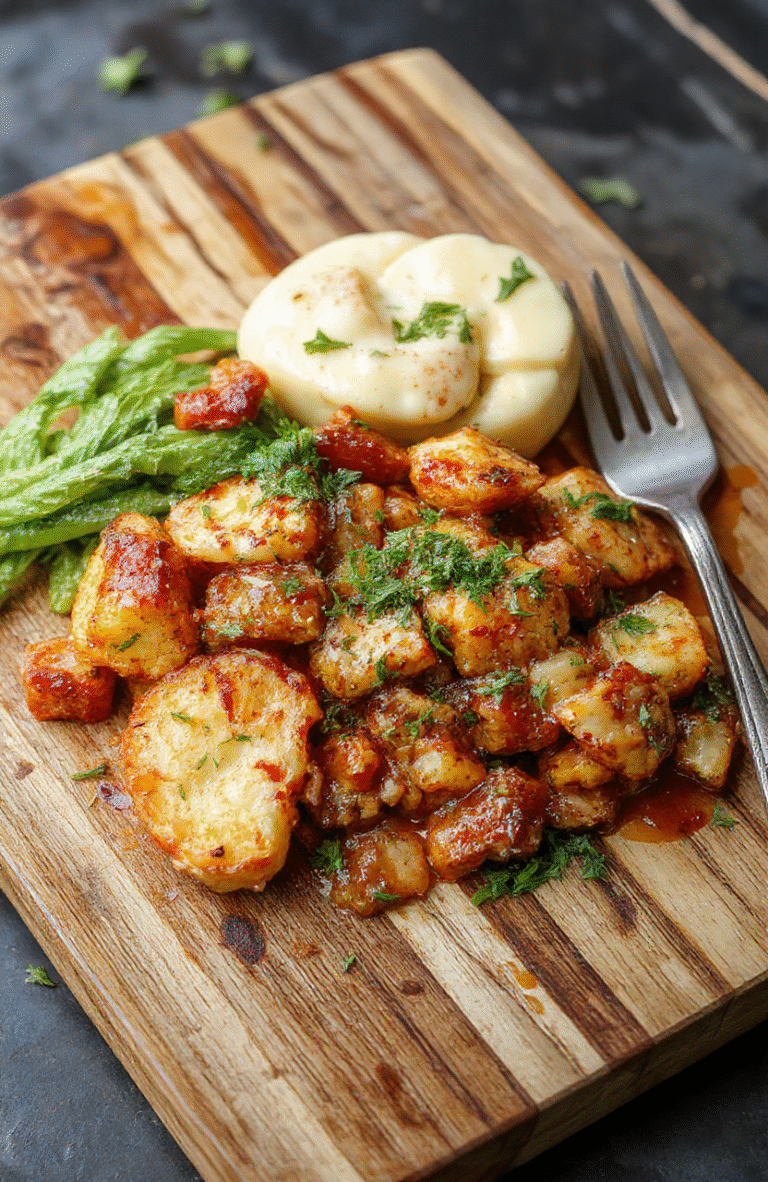
Gentle Acid Reflux Dinners: 30 Easy Relief Recipes for Weeknights
A soothing, low-acid dinner recipe from Gentle Acid Reflux Dinners: creamy quinoa with roasted carrots and zucchini, served alongside perfectly poached salmon. Designed for heartburn relief without sacrificing flavor.
- Total Time: 40 minutes
- Yield: 2 servings
Ingredients
- 1 cup quinoa, rinsed
- 2 cups water or low-sodium vegetable broth
- 1 medium carrot, halved and sliced
- 1 medium zucchini, sliced into half-moons
- 1 tbsp extra-virgin olive oil
- 1/4 tsp sea salt
- 1/4 tsp ground cumin
- 1 (4-oz) salmon fillet, skin removed
- 1 tsp lemon zest (no juice)
- Fresh parsley, for garnish
Instructions
- Preheat oven to 400°F (200°C). Line a baking sheet with parchment paper.
- Toss carrots and zucchini with olive oil, salt, and cumin. Spread evenly on the baking sheet.
- Roast vegetables for 20–22 minutes until tender and slightly caramelized.
- Rinse quinoa and simmer in water or broth for 12–15 minutes until fluffy. Cover and let rest 5 minutes.
- Poach salmon in simmering water (170°F) for 6–7 minutes until just opaque in center.
- Fluff quinoa and divide among bowls. Top with roasted vegetables and poached salmon.
- Garnish with lemon zest and parsley before serving.
Notes
- Use lemon zest instead of juice to avoid triggering acid reflux.
- Skip garlic, onions, and tomatoes — common reflux triggers.
- For extra protein, add 1/4 cup cooked lentils to the quinoa.
- Prep Time: 15 minutes
- Cook Time: 25 minutes
- Method: Roasting, Poaching, Simmering
- Cuisine: American, Healing Foods
- Diet: Gluten-free, Dairy-free, Low-acid, Heartburn-friendly
Nutrition
- Serving Size: 1 bowl with salmon
- Calories: 410 Kcal
- Sugar: 5g
- Sodium: 280mg
- Fat: 18g
- Saturated Fat: 3g
- Unsaturated Fat: 11g
- Trans Fat: 0g
- Carbohydrates: 42g
- Fiber: 7g
- Protein: 28g
- Cholesterol: 58mg